Low cortisol aim or high-energy flicks in Valorant — which approach wins more duels
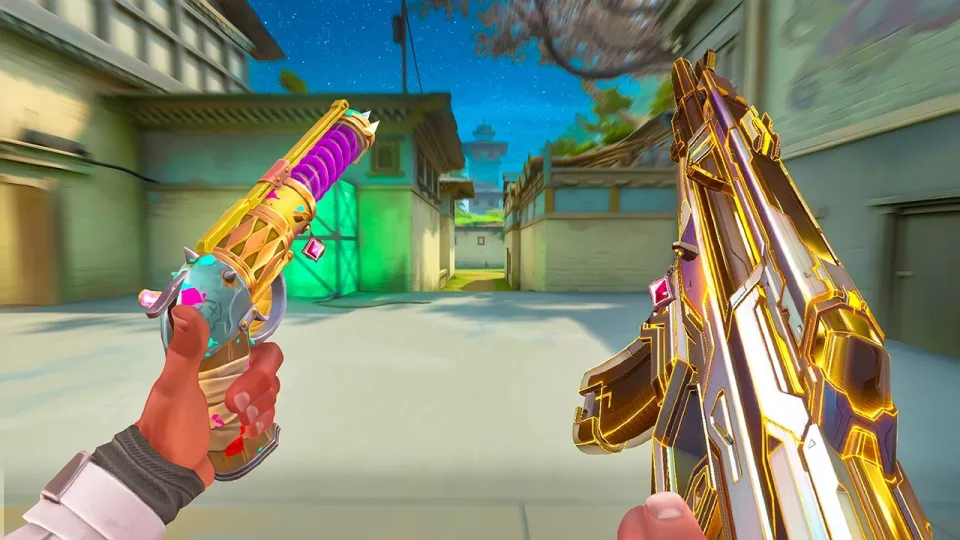
Video: low cortisol aim..
Need articles like this for your video? They help promote it on YouTube and Google — order them in the Telegram bot @sat_sit_bot. Articles with your video embedded are written and posted by the bot itself — on popular topical sites (no ads). Free trial — 50 articles.
· based on the channel Rawzu
Key takeaways
- Rawzu runs 400 DPI at 0.625 in-game sensitivity on a Logitech G Pro X Superlight 2 and Artisan Zero Soft pad.
- His display setup is a Zowie XL2566K at 360Hz with a stretched 1440x1080 resolution.
- The crosshair code is 1-6-2-2, a small static dot-and-lines setup built for precise head-level tracking.
- Phoenix's Curveball and Blaze let a calm aimer force close-range duels where steady tracking matters more than flick speed.
- Low cortisol aim means minimizing unnecessary mouse movement and letting crosshair placement do the work before the fight starts.
Low cortisol aim in Valorant is the practice of keeping mouse movement minimal, crosshair placement pre-aimed, and nerves steady so that every duel is won before the flick becomes necessary. It is the opposite of high-energy, high-sensitivity spraying: instead of reacting late and snapping across the screen, you arrive at the angle already lined up. Rawzu's Phoenix gameplay is a clean example of this style, and the settings behind it are deliberately unflashy. If you want to replicate the setup, start by optimizing your PC for Valorant with Hone's free optimization tool, which handles the background processes and Windows tweaks that add input delay.
What low cortisol aim actually means in Valorant
Low cortisol aim is a training mindset, not a sensitivity number: it describes players who keep their heart rate and mouse speed down, relying on preparation and micro-corrections rather than dramatic flicks. The term comes from the idea that ranked anxiety and over-gripping the mouse raise cortisol, which tightens the arm and produces overshoots. In practice, a calm aimer does three things differently:
- Pre-aims head level at every angle before peeking, so the first movement is a small horizontal adjustment, not a vertical rescue.
- Holds the crosshair still during ability animations and reloads instead of drifting it toward the floor.
- Uses short, controlled strafes and stops fully before shooting, because moving while firing adds spread that no amount of flick speed can fix.
Rawzu's Phoenix fits this style because the agent's kit forces close fights. Curveball blinds enemies even behind corners, and Blaze creates a wall that blocks vision and deals damage, so Phoenix can close distance on his own terms. A calm aimer benefits from that: when you decide the range of the duel, you do not need to out-flick anyone.
Rawzu's exact Valorant settings and peripherals
Rawzu's setup is built around consistency rather than speed, and every value is low or stretched to make targets wider and movement more predictable. The full list from the video description:
- Sensitivity: 400 DPI with 0.625 in-game sensitivity, which is roughly 250 eDPI — on the low end for Valorant but common among precise duelists.
- Resolution: 1440x1080, a stretched 4:3 format that widens enemy models and makes head-level tracking easier.
- Crosshair: 1-6-2-2, a compact static crosshair with a small center gap.
- Mouse: Logitech G Pro X Superlight 2.
- Mousepad: Artisan Zero Soft, a control-oriented cloth pad.
- Monitor: Zowie XL2566K at 360Hz.
Each choice supports the low cortisol approach. Low eDPI means small hand movements translate to small cursor movements, which reduces overshoot. A control pad adds stopping friction so flicks end where you intend. A 360Hz monitor shortens the feedback loop, letting you see and correct a bad micro-adjustment almost instantly.
How Phoenix's kit rewards a calm aimer
Phoenix is an offensive duelist who specializes in hunting enemies while crippling their ability to fire back, and his abilities create predictable, close-range fights that suit steady aim. The agent's description in the video notes that Blaze walls block vision and deal damage so Phoenix can cross open areas, while Curveball blinds enemies even behind corners. Hot Hands adds a damaging molotov and self-heal, and Run it Back gives him a second life for aggressive entries.
For a low cortisol player, the value is control of distance. Curveball forces enemies to turn away or hold an angle blind, which means your first shot comes against a target that cannot trade instantly. Blaze lets you split a site and choose the side of the wall you exit from, so you decide whether the duel happens at five meters or twenty. When you control the range, you can rely on pre-aim and tracking instead of reaction flicks — the core of calm aim.
The counterargument is that Phoenix also tempts players into over-aggression, and Run it Back can encourage reckless entries. The calm version is to use the ultimate to take space and gather information, not to chase kills into unwinnable trades.
Where the low cortisol style breaks down
Low cortisol aim fails when the player mistakes slowness for control and stops making decisive inputs. Calm is not passive: you still have to clear angles, trade teammates, and commit to peeks. Three common failure points:
- Over-pre-aiming. Holding an angle too long without adjusting leaves you unprepared for a wide swing or a jump peek.
- Ignoring movement. Several viewers of Rawzu's clips note that his movement is as impressive as his aim, and that is not a coincidence — counter-strafing and shoulder peeks create the time a calm aimer needs.
- Blaming sensitivity. Switching to a lower eDPI will not fix crosshair placement that starts at chest height; the setting only amplifies good habits.
A practical fix is to spend ten minutes in the Range on strafe-and-stop drills before queuing, then play one deathmatch with the explicit goal of never flicking — only pre-aiming and micro-correcting. That trains the habit under pressure.
Common questions about calm aim, sensitivity, and Rawzu's clips
Viewers of Rawzu's Phoenix montages regularly raise the same doubts, and most of them come down to whether a low-sensitivity, low-energy style is actually viable in ranked. The short answer is yes, but with conditions.
First, low eDPI demands arm aiming and enough desk space; if your mousepad is small, 400 DPI at 0.625 will feel like dragging through mud. Second, the style depends on information: calm aimers win by knowing where the enemy is before the peek, so utility usage and teammate communication matter more than raw reaction time. Third, the flashy moments in highlight clips are the exception, not the average round — most of Rawzu's kills come from standard crosshair placement, not impossible flicks.
One recurring question is whether a 360Hz monitor is required. It is not, but higher refresh rates reduce the delay between your correction and what you see, which makes the calm style easier to learn. A 144Hz panel works if you accept a slightly longer feedback loop.
Useful links from the video
- Optimize your PC for Valorant with Hone — the tool Rawzu promotes for reducing background load and input delay.
- Rawzu's original music on Spotify.
- Rawzu's Discord community.
Final verdict on low cortisol aim in Valorant
Low cortisol aim is not a magic sensitivity setting; it is a discipline of preparation, minimal movement, and controlled nerves that makes every duel start from a better position. Rawzu's Phoenix footage shows the style working because his settings, peripherals, and agent choice all push toward close-range fights where pre-aim beats reaction speed. Copy the 400 DPI / 0.625 sensitivity and the 1440x1080 stretch if you want a proven baseline, but spend more time on crosshair placement and counter-strafing than on shopping for gear. The channel Rawzu is worth following for calm, clean duelist gameplay that demonstrates the approach rather than just talking about it. Before your next ranked session, optimize your PC for Valorant through Hone so the only variable left is your aim.
Questions & answers
Is low cortisol aim just a low sensitivity?
No. Sensitivity is only one part of it. Low cortisol aim means pre-aiming head level, stopping before shooting, and keeping mouse movement small, which can be done at many eDPI values. Rawzu's 400 DPI at 0.625 makes the style easier, but crosshair placement matters more than the number.
Do I need a 360Hz monitor to aim like Rawzu?
A 360Hz monitor like the Zowie XL2566K shortens the feedback loop between your correction and what you see, which helps, but it is not required. A 144Hz display works for learning calm aim; the bigger gains come from a control mousepad and consistent pre-aim habits.
Why does Rawzu use a stretched 1440x1080 resolution?
A stretched 4:3 resolution widens enemy models, making heads easier to track and micro-adjust onto. It suits the calm aim style because targets occupy more horizontal pixels, so small corrections are more forgiving.
Is Phoenix a good agent for a calm aimer?
Yes, because Curveball and Blaze let Phoenix choose the range of a fight, forcing close duels where pre-aim and tracking beat flick speed. The risk is over-aggression with Run it Back, so use the ultimate to take space and gather information rather than to chase kills.
Source: low cortisol aim.. · Markdown version